

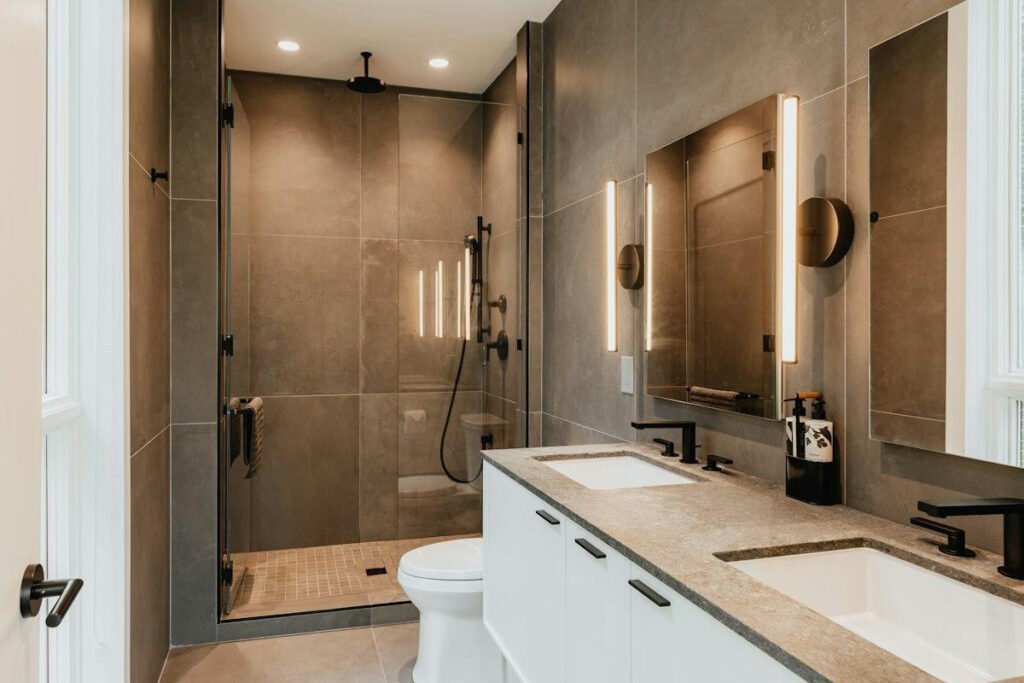
A bathroom renovation involves dozens of small decisions, and almost every one has a price attached. How many boxes of tile? How much paint? What will the plumber charge to move the vanity? Is a new tub cheaper than a shower conversion?
You could work all of this out with a notepad and a lot of searching. Or you could use calculators built for each part of the job. This article covers the main types of bathroom renovation calculators, what each one is good for, and how to use them together to build a solid plan.
Why Use More Than One Calculator?
A single “bathroom remodel cost” number is helpful as a starting point, but it hides a lot. Two remodels with the same total can look very different. One might put most of the money into a custom shower. The other might spread it across new fixtures, a new floor, and fresh lighting.
Using several focused calculators lets you see the cost of each piece. That makes it easier to:
- Compare options side by side
- Decide where to spend and where to save
- Build a shopping list with the right quantities
- Check contractor bids line by line
A collection of bathroom renovation calculators in one place makes this simple, since you can move from one estimate to the next without hunting around the web.
1. Full Remodel Cost Calculator
What it does: Estimates the total cost of a bathroom remodel based on room size, scope, and finish level.
When to use it: At the very start, before you talk to anyone. It gives you a ballpark range so you know if your plans fit your budget.
What to enter:
- Room dimensions
- Type of work (refresh, partial, or full gut)
- Finish level (basic, mid-range, high-end)
- Sometimes your zip code or region
Tip: Run it three times with different finish levels. The gap between basic and high-end is often bigger than people expect.
2. Small Bathroom Remodel Calculator
What it does: Focuses on half baths, hall baths, and other rooms under about 50 square feet.
Why it is separate: Small bathrooms have a higher cost per square foot. You still need a plumber, a toilet, a vanity, and a fan, no matter how small the room is. A general calculator that scales only by size may underestimate a small job.
When to use it: If your bathroom is roughly 5×8 feet or smaller.
3. Tile Calculator
What it does: Tells you how many square feet and how many boxes of tile to buy, including extra for cuts and breakage.
What to enter:
- Floor and wall dimensions
- Tile size
- Layout pattern (straight, offset, diagonal, herringbone)
- Coverage per box
Why it matters: Running short means another trip to the store, and new boxes might not match the color of the first batch. Buying too much wastes money, since many stores do not take back opened or special-order tile.
Tip: Patterns like herringbone and diagonal need 15% to 20% extra. A straight lay usually needs about 10%.
4. Toilet Replacement Cost Calculator
What it does: Estimates the cost of a new toilet plus installation.
What to enter:
- Toilet type (two-piece, one-piece, wall-hung, smart)
- Whether you need a new flange or shutoff valve
- DIY or professional install
When to use it: When your toilet cracks, runs constantly, or is an old high-water model. It is also handy as part of a bigger remodel to see how much the toilet choice affects your total.
5. Vanity and Countertop Calculator
What it does: Prices out a new vanity, top, sink, and faucet, plus installation.
Why it helps: Vanity prices vary a lot. A stock 30 inch unit with a cultured marble top might be $400. A custom double vanity with quartz could be $4,000 or more. Seeing these side by side helps you choose.
6. Shower and Tub Calculators
What they do: Estimate costs for replacing a tub, building a tiled shower, installing a prefab shower kit, or converting a tub to a walk-in shower.
Key cost factors:
- Prefab vs. tiled walls
- Glass door type (framed, semi-frameless, frameless)
- Shower pan type
- Valve and fixture choices
- Any changes to the drain location
Tip: Tub to shower conversions are popular but often cost more than people think, because of waterproofing, extra tile, and glass.
7. Paint Calculator
What it does: Works out how many gallons of paint and primer you need.
What to enter: Wall dimensions, ceiling height, number of doors and windows, and number of coats.
Tip: Use a paint made for bathrooms, with a satin or semi-gloss finish that holds up to moisture. Bathrooms are small, so one gallon is often enough for walls, but you may need a separate quart for the ceiling and trim.
8. Flooring Calculator
What it does: Estimates material and labor for tile, luxury vinyl plank, or sheet vinyl.
Why it matters: Luxury vinyl is cheaper and faster to install than tile and is fully waterproof. Tile lasts longer and adds more resale value. Running both options through a calculator shows the real price difference for your room.
How to Use Calculators Together
Here is a simple plan for using several calculators to build a full budget.
Step 1: Get the big picture. Start with the full remodel or small remodel calculator. Write down the low and high ends of the range.
Step 2: Price out the main pieces. Run the tile, vanity, toilet, and shower calculators using the choices you are leaning toward.
Step 3: Add it up. Total the individual estimates and compare them to your big-picture number. If they are far apart, look at which piece is driving the difference.
Step 4: Adjust. If you are over budget, try cheaper options on one or two items. For example, keep a straight tile layout instead of herringbone, or choose a framed glass door instead of frameless.
Step 5: Add a cushion. Add 10% to 20% for hidden damage, permit fees, and small items you forgot.
Step 6: Compare with bids. When contractor quotes come in, compare them against your numbers. Ask questions about any line that seems far off.
Limits of Online Calculators
Calculators are a planning tool, not a final quote. Keep these limits in mind:
- They cannot see behind your walls. Rot, mold, and old wiring will add cost.
- Local labor rates vary. Even calculators that adjust by region use averages.
- Prices change. Material costs move up and down over time.
- Every house is different. Odd layouts, slab foundations, and old plumbing can change the job.
Use calculator results as a solid starting point, then confirm with in-person quotes from licensed contractors.
Final Thoughts
Bathroom renovation calculators turn a confusing pile of choices into clear numbers. Start with a total cost estimate, break it into parts with focused calculators for tile, fixtures, and showers, then add a cushion for surprises. When you sit down with a contractor, you will know what things should cost, what you can cut, and where your money is going. That kind of preparation leads to fewer surprises and a bathroom you are happy with when the work is done.
