

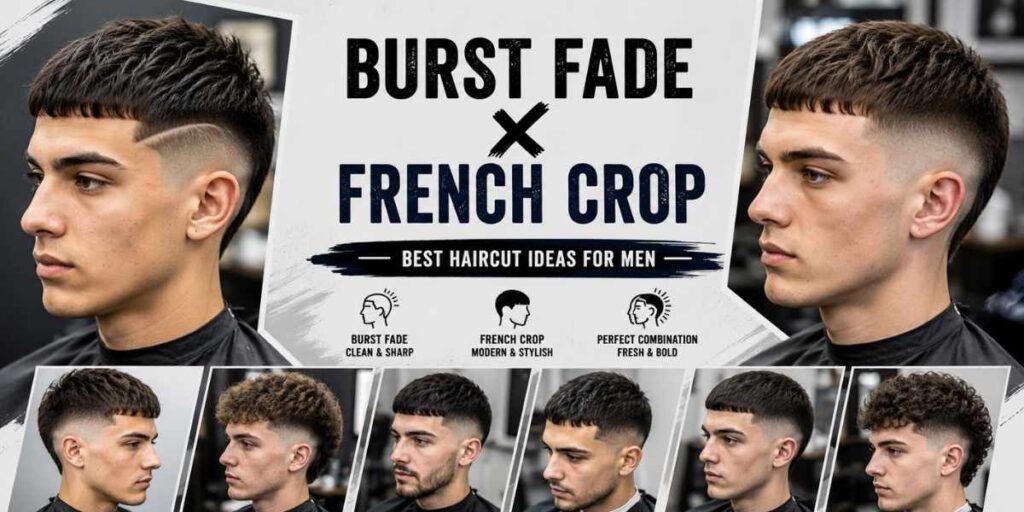
Short on top, sharp on the sides, and gone in a curve at the back. That’s the quick answer to what a burst fade French crop actually is.
If you’ve been scrolling barber reels and keep seeing this cut pop up, you’re not imagining it. It’s everywhere right now, and for good reason. It’s clean, it’s low effort once it’s cut right, and it works on almost every guy who walks into a barbershop.
This guide breaks down everything you need. What the cut is, who it suits, how to ask for it, and every popular variation worth trying. No filler, just what you came here to find.
Burst Fade x French Crop: Why This Haircut Is Trending

Barbershops have been busy lately. Everyone wants that same sharp, rounded fade behind the ear, paired with a textured French crop on top.
Part of the appeal is simple. A burst fade French crop looks polished without needing a ton of daily styling. You wake up, run some product through it, and you’re done.
It also photographs well. Sharp lines, clean texture, and a shape that suits selfies just as much as job interviews. That’s a rare combo in men’s haircuts.
French Crop With Burst Fade: How the Style Works

Here’s the mechanic behind it. The French crop with burst fade pairs a short, textured fringe on top with a fade that curves around the ear instead of running in a straight line down the side.
That curved fade is what makes a burst fade different from a regular one. It bursts around the ear like a starburst, hence the name, then blends into the crop up top.
The crop itself stays short, usually one to two inches, with a blunt fringe pushed forward. Together, the two pieces create a shape that’s tidy but never boring.
What Is a French Crop Burst Fade?
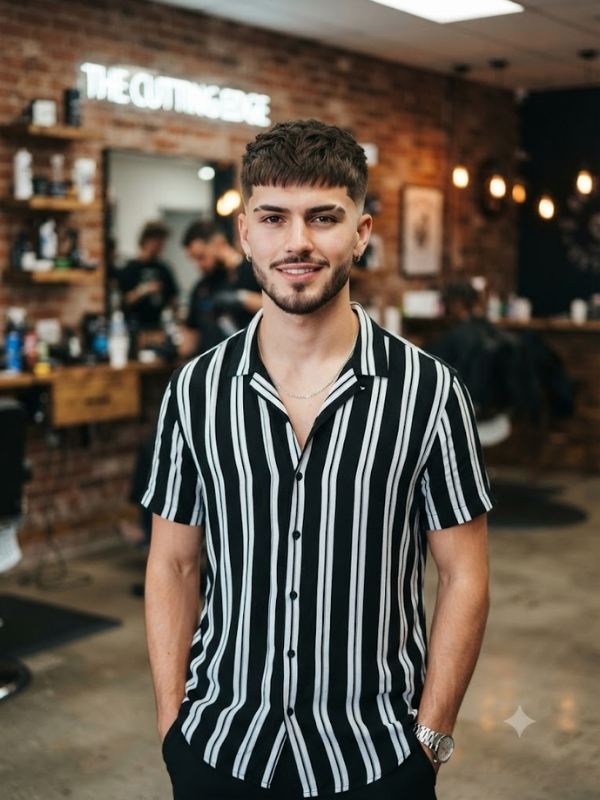
In plain terms, a French crop burst fade haircut is a French crop haircut on top combined with a burst fade on the sides and back.
The French crop part means short length, a straight fringe, and tight sides. The burst fade part means the sides fade out in a circular pattern around the ear rather than a flat, straight fade line.
Put them together and you get a cut that’s structured up top and detailed at the sides. It’s masculine, modern, and it doesn’t scream “trying too hard.”
Best Hair Types for This Haircut
Not every haircut suits every head of hair, but this one is more flexible than most. Thick hair French crop styles hold their shape beautifully because there’s enough density to keep the fringe standing forward.
Thin hair French crop cuts work too, though they need a bit more product to fake fullness. A matte paste or clay adds grip without weighing the hair down flat.
Wavy and curly hair also handle this cut well, since natural texture adds movement to the crop without extra effort. Straight hair gives the cleanest, sharpest lines if that’s the look you’re after.
Best Face Shapes for a French Crop Burst Fade

Oval faces are the easiest match here. The proportions of a French crop suit almost any oval face shape without adjustment.
Round faces benefit from added height on top, so ask your barber to keep the crop slightly longer and more textured. This creates length that balances out width.
Square and diamond face shapes look sharp with this cut too, since the clean lines of the fade complement strong jawlines. Long or narrow faces should keep the fringe a touch fuller to avoid adding extra height.
Best French Crop Burst Fade Ideas
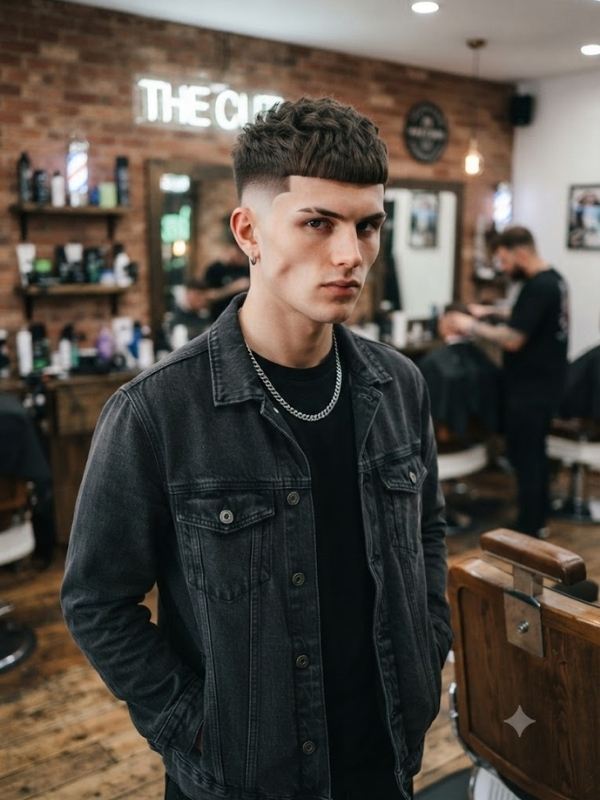
There’s no single way to wear this cut. Below are the most popular versions barbers are cutting right now, each with its own personality.
Textured French Crop Burst Fade
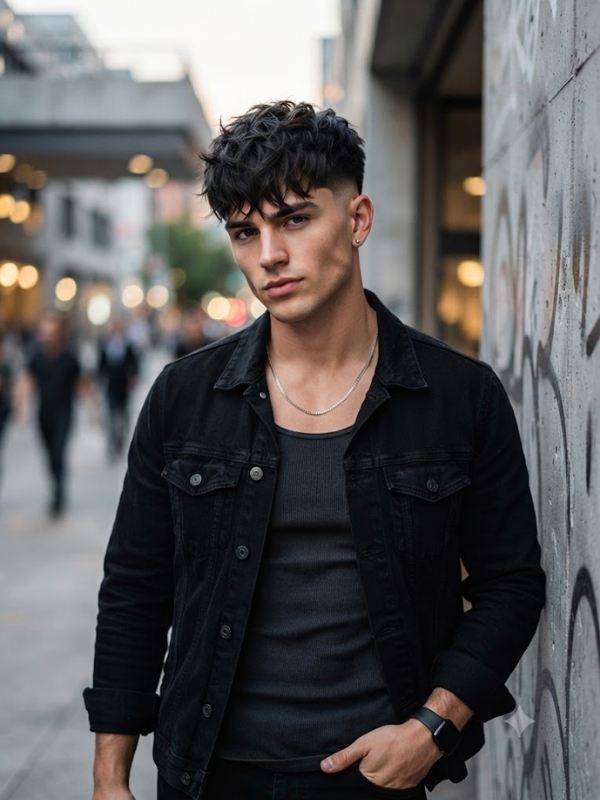
A textured French crop burst fade uses point cutting on top to break up the fringe into choppy, uneven pieces.
Instead of one solid block of hair, you get separated strands that catch light differently. It looks less styled, more effortless, even though a barber worked hard to get it that way.
This version suits guys who want a lived-in, low-maintenance vibe without sacrificing sharpness at the sides.
Low Burst Fade French Crop

A low burst fade French crop keeps the fade starting closer to the ear, staying subtle and workplace friendly.
It’s a great pick if you want the detail of a burst fade without a dramatic contrast between the top and sides.
This version also grows out gracefully, meaning fewer trips to the barber if your schedule is tight.
Mid Burst Fade French Crop
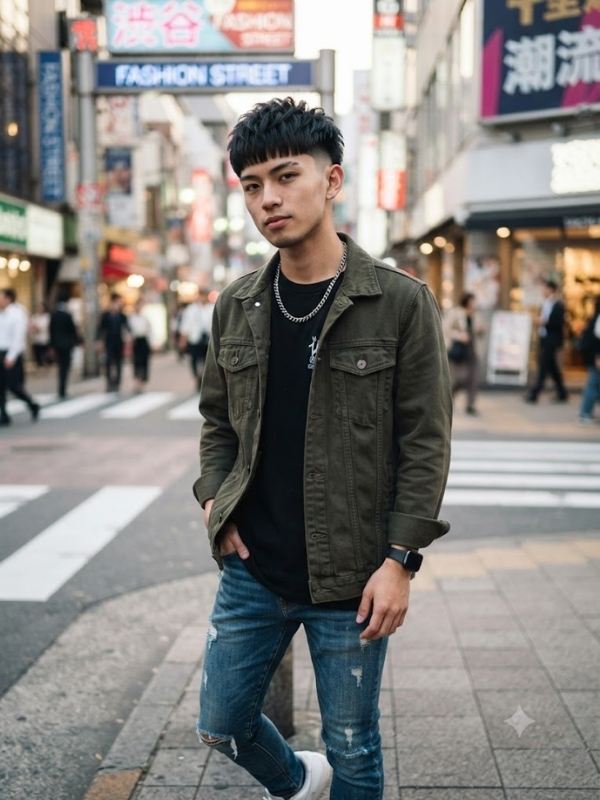
Sitting between low and high, a mid burst fade French crop is the most balanced option and probably the most requested in barbershops today.
It gives noticeable contrast without looking extreme, which makes it a safe bet if you’re trying this style for the first time.
Most face shapes and hair types handle a mid fade comfortably, so it’s a smart default choice.
High Burst Fade French Crop
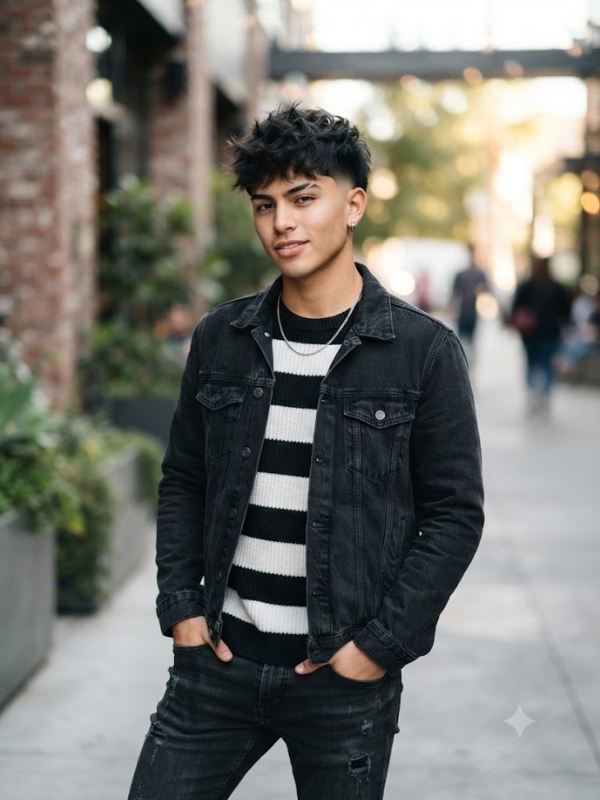
Want more drama? A high burst fade pushes the fade line up near the temple, creating a bold contrast against the crop on top.
This version suits guys with strong facial features who want the haircut to make a statement rather than blend in quietly.
It does need more frequent trims to stay crisp, since the shorter sides grow out faster than a low fade would.
French Crop Burst Fade Mullet
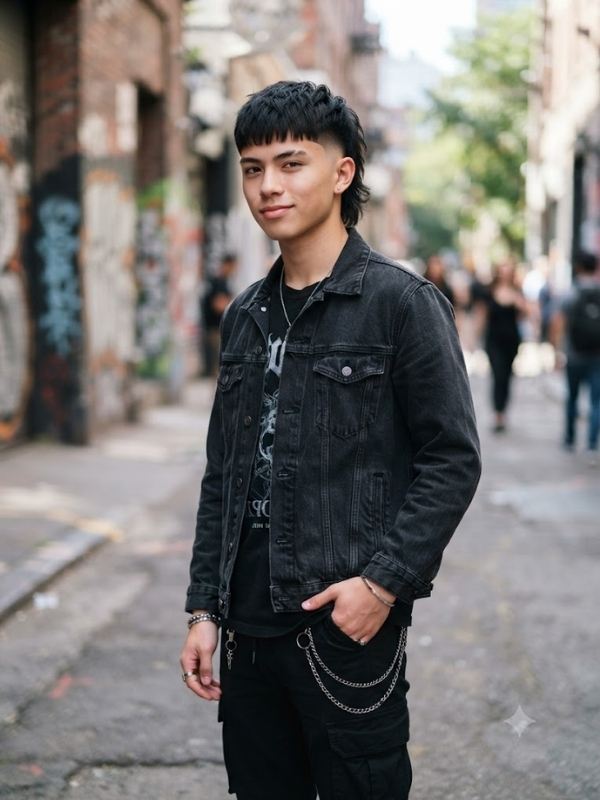
Yes, the mullet is back, and pairing it with a fade makes it far more wearable. A French crop burst fade mullet keeps length at the back while staying tight and faded at the sides.
It’s a bolder, more personality driven take on the classic crop, popular among guys who want something a little different from the standard cut.
Just know this version needs a barber who’s confident blending length changes cleanly.
Buzz Cut French Crop Burst Fade
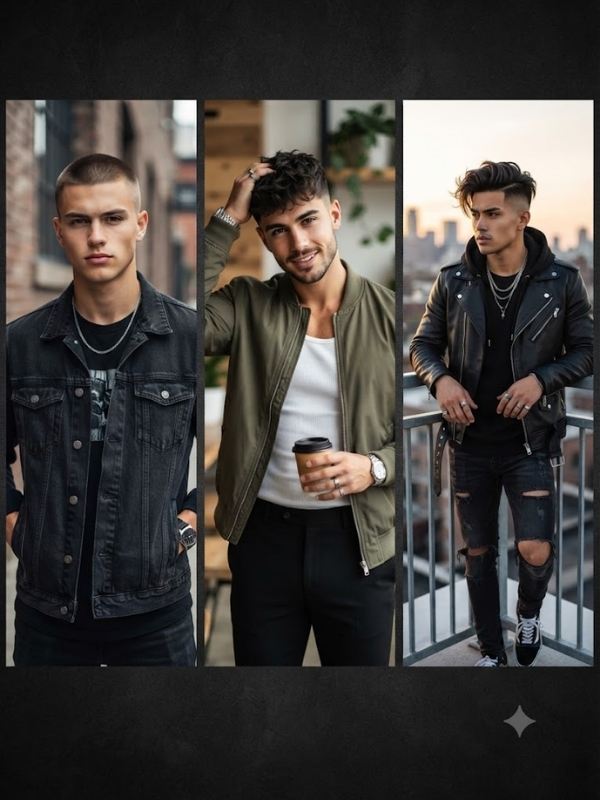
For guys who like things simple, a buzz cut burst fade trims the top down short too, just longer than the faded sides.
It’s the lowest maintenance version on this list. No styling product required, just wash and go.
It also suits hot climates and active lifestyles where longer hair on top gets in the way.
Messy French Crop Burst Fade
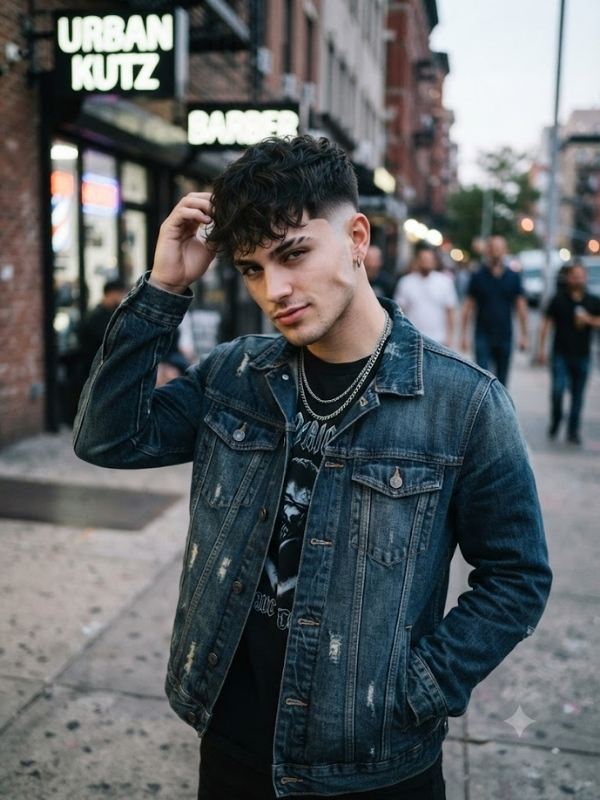
A messy French crop burst fade takes the classic shape and roughs it up on purpose. Think finger-styled texture instead of a combed, precise fringe.
It works especially well on wavy or curly hair, where natural texture does most of the styling work for you.
This is the go-to option if “polished but not try-hard” is the vibe you’re chasing.
Long French Crop Burst Fade
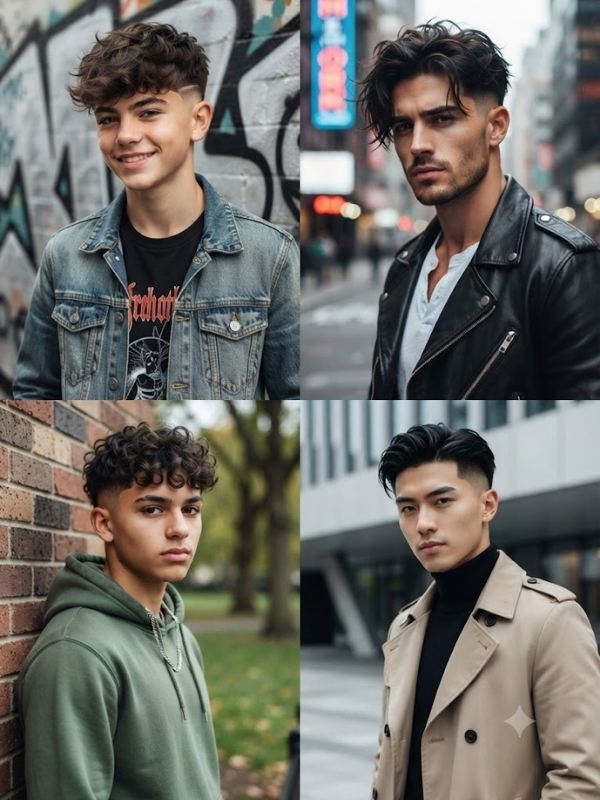
If you’re not ready to go super short on top, a long French crop keeps more length in the fringe while the sides stay faded and tight.
This creates strong contrast and gives you more styling options day to day, from slicked back to forward swept.
It suits guys with thicker hair who want flexibility without losing the crop’s core shape.
Fringe French Crop Burst Fade
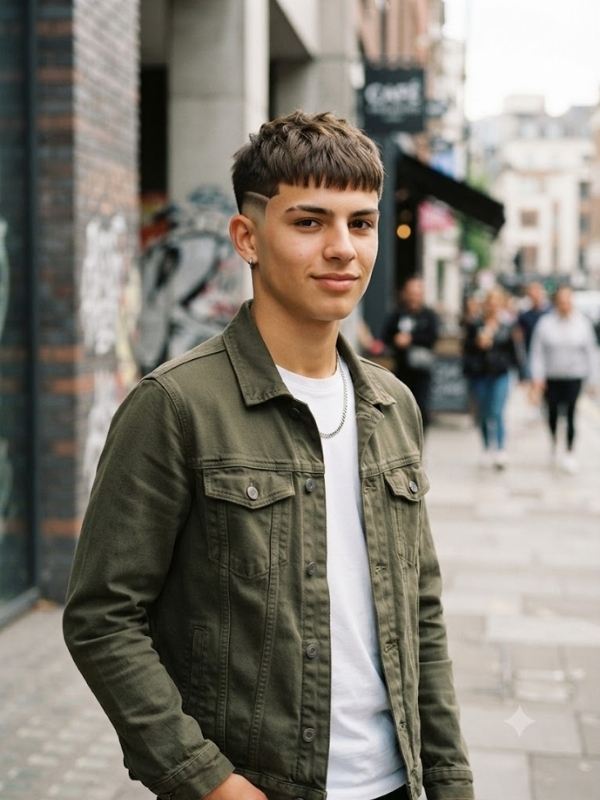
This version pushes the fringe forward, straight across the forehead, for a bold, structured look.
It’s one of the more classic takes on the style and pairs nicely with a straight fringe French crop finish for extra sharpness.
Guys with a strong hairline often lean into this version since it frames the face directly.
Mohawk French Crop Burst Fade
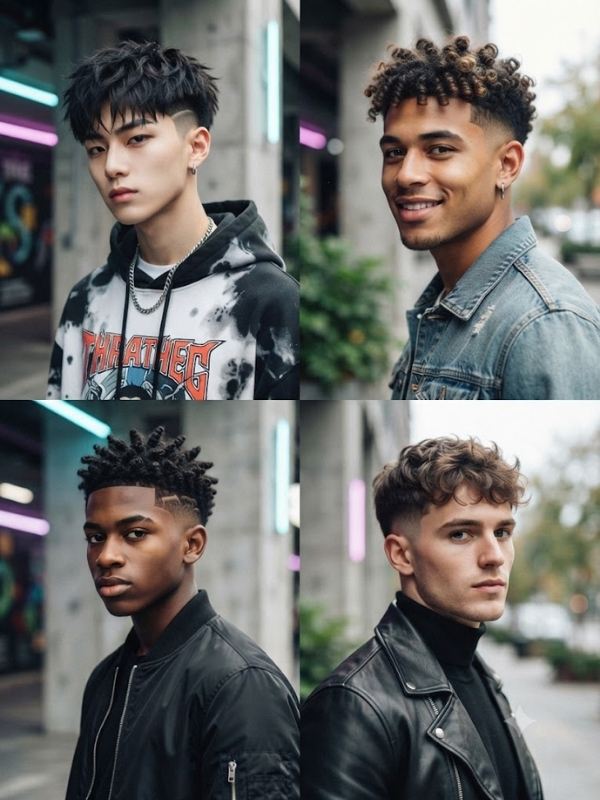
For something edgier, a mohawk style keeps a narrow strip of length down the center while the sides burst fade away completely.
It’s not for the boardroom, but it’s a striking choice for guys who want their haircut to turn heads.
Pair it with a skin fade on the sides for maximum contrast.
French Crop Burst Fade with Taper Fade

Combining a taper with a burst creates a taper burst fade, where the fade gradually narrows near the neckline instead of ending abruptly.
It softens the overall look, which some guys prefer over a harsher, sharper fade line.
This blend works particularly well for more formal or corporate settings.
French Crop Burst Fade with Beard

Pairing this cut with a well groomed beard balances out the sharpness on top with fullness on the jaw.
It’s one of the most requested combinations in modern barbershops, and honestly, it just works.
Keep the beard lines as clean as the fade for the whole look to feel intentional rather than random.
French Crop Burst Fade with Hard Part
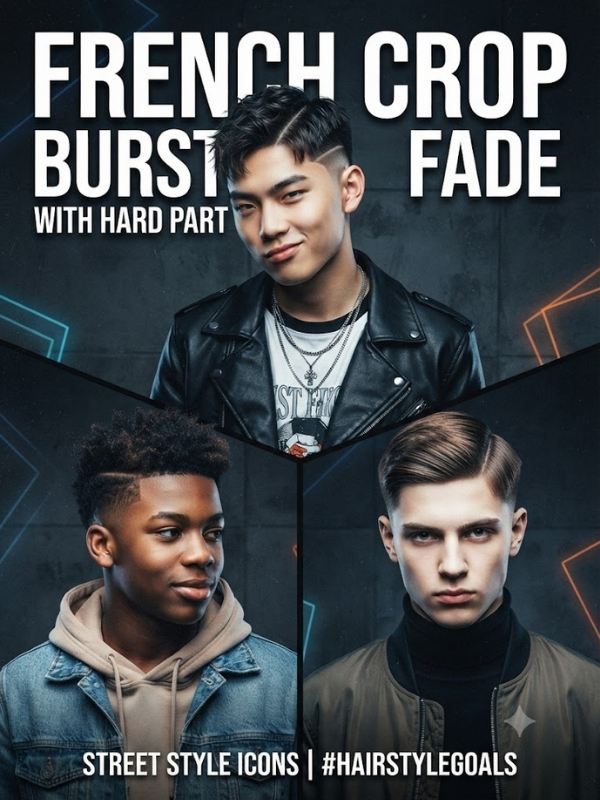
A hard part adds a shaved line dividing the fringe from the fade, giving the cut extra definition.
It’s a small detail, but it makes the haircut look sharper in photos and in person.
This works especially well on a low burst fade French crop, where the part line stands out clearly against the closer fade.
Short French Crop Burst Fade
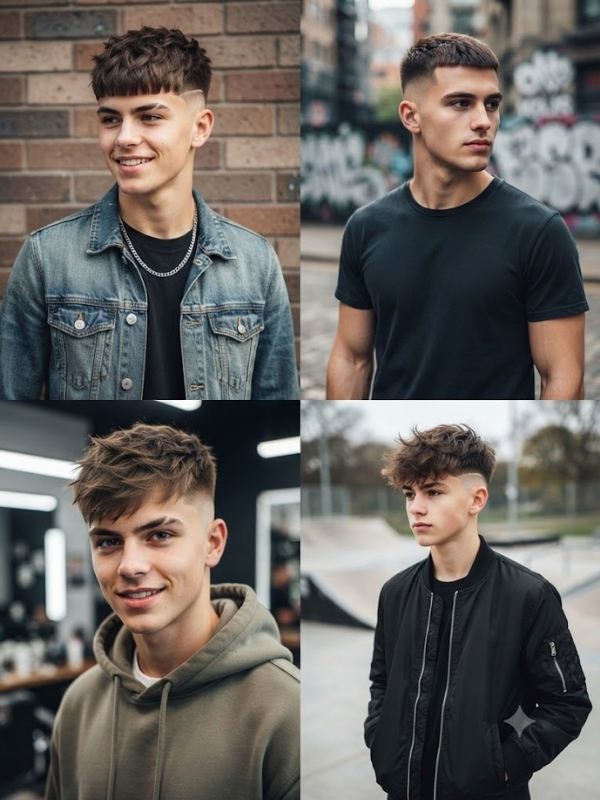
A short French crop fade keeps the top barely longer than the sides, creating a tight, almost military feel with added texture.
It’s practical, easy to maintain, and suits guys who don’t want to spend much time in front of the mirror.
Still, it keeps enough length to style if you want a bit of texture on lazier days.
Skin Burst Fade French Crop
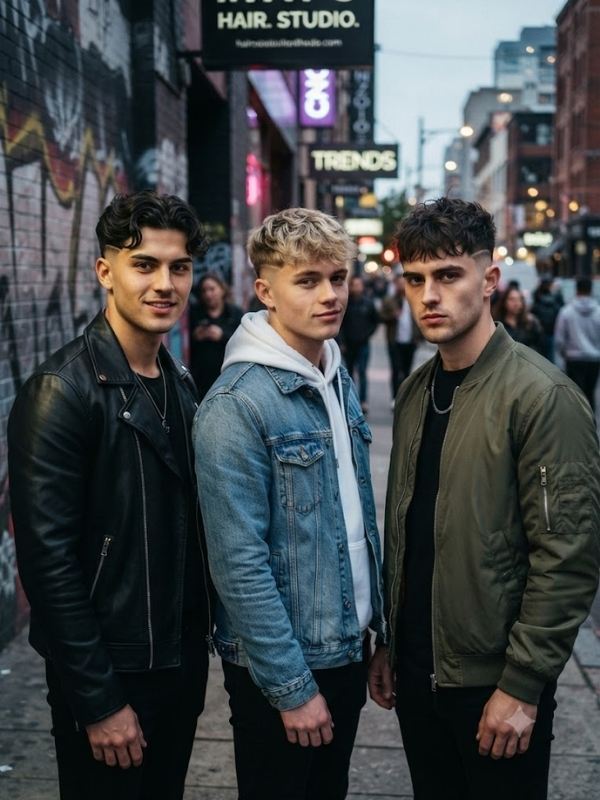
A skin burst fade takes the fade down to bare skin near the hairline, creating the sharpest contrast possible against the crop on top.
It’s a bold, detailed look that needs regular barber visits to stay crisp, since skin fades grow out faster than others.
If you want maximum impact, this is the version to ask for.
Disconnected French Crop Burst Fade
Here, the top and sides are cut separately with no gradual blend between them, creating a deliberate, choppy contrast.
It’s an unconventional twist on the classic crop, popular with guys who want their haircut to feel a bit more unexpected.
This version pairs surprisingly well with curlier textures.
French Crop Burst Fade for Straight Hair
Straight hair gives this cut its cleanest possible finish. French crop burst fade straight hair styles hold sharp fringe lines without much extra product.
The trade off is that straight hair can look a little flat without texture. A light matte paste helps create separation in the fringe so it doesn’t sit like a solid block.
Overall, straight hair is one of the easiest textures to maintain with this style day to day.
French Crop Burst Fade for Curly Hair
Curly hair brings its own personality to this cut. French crop burst fade curly hair styles naturally add volume and movement without needing much styling effort.
The trick is asking your barber to cut with the curl pattern in mind rather than against it, so the shape doesn’t fight your natural texture.
A curl cream or light gel keeps definition without turning curls crunchy or stiff, which fits the relaxed, effortless energy this haircut is known for.
French Crop Burst Fade for Black Men
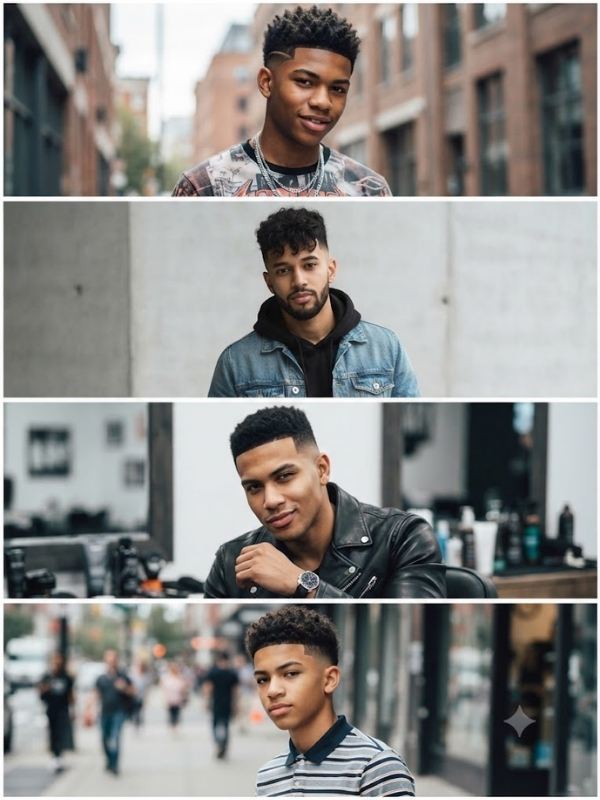
This cut has become a staple in Black barbershops, and it’s easy to see why. The contrast between tight coils on top and a sharp fade underneath is genuinely striking.
Best Hair Texture
Coily and kinky hair textures hold shape exceptionally well with this cut, since the density supports a fuller, more defined crop on top.
Barbers often shape the crop slightly rounder for coily textures, which suits the natural growth pattern better than a flat, blunt fringe.
Styling Tips
A light oil or curl butter keeps coils defined without excess shine. Less is more here, since overloading product can weigh the crop down.
Regular edge ups also keep the burst fade sharp, since coily hair textures can make fade lines look softer if left too long between trims.
French Crop Burst Fade with Crop Top Style
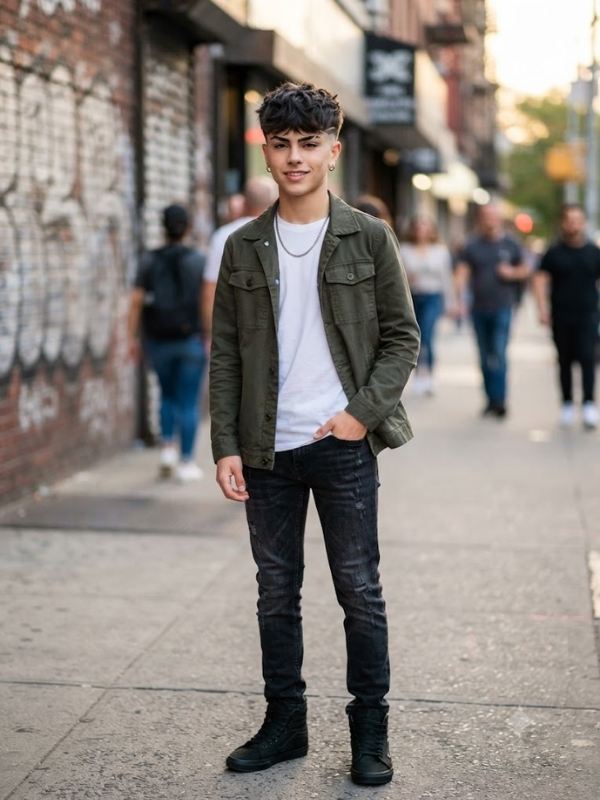
A crop top fade haircut simply means keeping more density and shape on top while the fade does the heavy lifting on the sides.
It’s less about a strict length and more about how full and structured the crop looks compared to the tightness of the fade underneath.
This version suits guys who want their haircut to feel intentional, almost architectural, rather than just short all over.
Burst Fade With a French Crop on Top

This is really just another way of describing the core style, but it’s worth repeating because it’s what most guys type into Google when searching for inspiration.
The burst fade does its work quietly around the ear, letting the crop on top take center stage.
It’s a reminder that this cut isn’t about one flashy element. It’s about how well the two parts work together.
French Crop Burst Fade V Style

The V style refers to how the fade shapes at the back of the neck, cut into a soft V point instead of a straight or rounded line.
It’s a subtle detail most people won’t consciously notice, but it adds a cleaner finish at the nape.
Ask your barber specifically for a V shape at the back if this is the look you’re going for, since not every barber defaults to it.
French Crop and Burst Fade Style Names
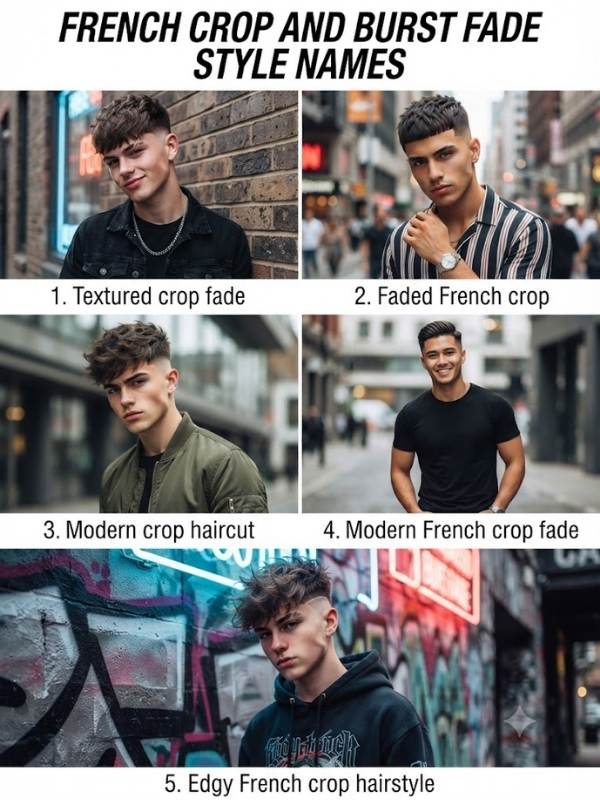
Barbershop terminology can get confusing fast, so here’s a quick list of names you might hear used interchangeably:
- Modern French crop fade
- Edgy French crop hairstyle
- Textured crop fade
- Faded French crop
- Modern crop haircut
Different barbers use different labels, so it always helps to bring a reference photo along, even if you know the technical name.
French Crop vs Burst Fade
These two terms get mixed up often, but they’re not the same thing. A French crop refers specifically to the top, the short length and forward fringe.
A burst fade, on the other hand, refers only to the sides, describing how the fade curves around the ear.
Think of it this way. French crop is the haircut on top, burst fade is the finishing technique underneath. Together, they make one complete style, but neither term describes the whole picture alone.
How to Ask Your Barber for This Haircut
Walking in and saying “give me a fade” is a recipe for disappointment. Be specific instead.
Try something like this: “I’d like a French crop on top with a burst fade around the ears, mid length fade line, and a straight fringe.” That single sentence covers length, fade style, and fade height.
Bringing a photo helps enormously too, since visual references remove any guesswork. This is genuinely one of the best pieces of barber haircut inspiration advice out there: show, don’t just tell.
How to Style a French Crop Burst Fade
Styling this cut takes about two minutes once you get the hang of it. Start with towel dried, not soaking wet, hair.
Work a small amount of matte clay for French crop styles through your fingers first, then comb or finger style the fringe forward or slightly to one side.
Avoid overloading product, since too much clay or paste flattens the texture you’re trying to show off. A little goes a long way with this cut.
How Often Should You Get a Trim?
This depends on which fade height you chose. A fade haircut maintenance schedule for low fades sits around four to five weeks between trims.
Mid and high fades need more attention, roughly every three to four weeks, since the shorter sides grow out and blur the sharp lines faster.
Skin fades are the most demanding, often needing a burst fade trim schedule of every two to three weeks to stay crisp and defined.
Common Mistakes to Avoid
A few small errors turn a great haircut into an average one. Watch out for these.
- Skipping reference photos and hoping the barber “just knows”
- Using too much product, which flattens texture instead of enhancing it
- Waiting too long between trims and letting the fade blur out
- Ignoring your natural hair texture when choosing a variation
- Not asking about maintenance before committing to a high or skin fade
Avoiding these mistakes is honestly half the battle when it comes to keeping this cut looking sharp long term.
Who Should Try This Haircut?
Almost anyone, honestly. This is a low maintenance men’s haircut at its core, which makes it suitable for students, professionals, and anyone in between.
It flatters most face shapes with small adjustments, works across hair textures, and scales from subtle to bold depending on the fade height you choose.
If you want a sharp men’s hairstyle that doesn’t require constant styling effort, this is about as close to universally flattering as haircuts get.
Is the Garnacha French Crop Burst Fade the Same?
You may have come across the term “Garnacha French crop burst fade” floating around online. It’s essentially a stylistic label rather than a distinct technique, often used to describe a specific barber’s or influencer’s take on the classic combination.
At its core, it still follows the same structure: short textured crop on top, burst fade around the ears. The name is more of a branding choice than a haircut with unique rules of its own.
If a barber uses this term, just confirm with a photo to make sure you’re both picturing the same result.
French Crop Burst Fade for Older Men
This isn’t just a young guy’s haircut. Older men often find this cut works beautifully with thinning hair, since the short length disguises sparse areas better than longer styles would.
A slightly lower fade tends to look more age appropriate and less flashy, while still keeping that clean, put together appearance.
It also pairs naturally with gray hair, where the contrast between salt and pepper tones on top and a tight fade underneath looks genuinely striking.
Cost and Time Expectations
Pricing varies by barbershop, but expect to pay a bit more than a standard haircut, since fades take longer and require more precision.
Most appointments run between thirty and forty five minutes, depending on how much detail goes into the fade and crop.
It’s worth paying for an experienced barber here specifically, since a poorly blended burst fade is far more noticeable than a mediocre regular haircut.
Burst Fade vs Taper Fade: Which Should You Pick?
This question comes up in nearly every barbershop consultation, so it deserves its own section. A burst fade vs taper fade decision really comes down to how much contrast you want near the ear.
A taper fade shortens gradually along the sideburn and neckline, staying fairly uniform in height. It’s subtle, safe, and works well for more conservative settings like office jobs or formal events.
A burst fade, by contrast, dips shorter specifically around the ear before blending back out. It reads as more detailed and modern, which is why it pairs so naturally with a French crop.
Neither option is objectively better. If you want something understated, lean taper. If you want a haircut with a bit more personality, the burst fade edges ahead.
Popular French Crop Styles Beyond the Burst Fade
While this guide focuses on the burst fade pairing, it’s worth knowing the crop itself has range. Popular French crop styles include pairing it with a bald fade, a low taper, or even leaving the sides slightly longer for a softer transition.
A classic French crop with minimal fading suits guys who want a timeless, low key look without the sharper contrast of a fade.
Knowing these variations helps when you’re chatting with your barber, since you can mix and match elements from different styles rather than picking just one rigid option.
Products Worth Keeping in Your Bathroom Cabinet
You don’t need a shelf full of products for this cut, just a few reliable ones. A matte clay for French crop styles is the workhorse, giving hold without shine.
For curlier or coilier textures, swap the clay for a light curl cream or oil, since heavier clays can clump and look greasy on tighter curl patterns.
A wide tooth comb also helps distribute product evenly through the fringe, especially on longer variations where fingers alone won’t reach every strand.
Frequently Asked Questions
Does this cut suit thinning hair?
Yes. Shorter length on top means less visible scalp contrast, which is exactly why so many older guys request it.
Can I get this style with a beard?
Absolutely, and it’s one of the most popular combinations barbers cut. Just keep the beard lines as sharp as the fade itself.
Is a burst fade harder to maintain than a regular fade?
Slightly, yes. The curved shape around the ear needs a skilled hand to keep it clean, so trims should stay consistent.
What’s the difference between a burst fade and a drop fade?
A burst fade curves around the ear, while a drop fade curves down and back toward the nape of the neck. They’re often confused but look quite different up close.
Can women get this haircut too?
While it’s marketed toward men, the underlying technique works on any hair type. A stylist can easily adapt the crop’s length or shape.
Final Thoughts
The burst fade French crop earns its popularity honestly. It’s sharp, adaptable, and works across nearly every hair type and face shape out there.
Whether you go low key with a low fade or bold with a skin fade mohawk twist, the core formula stays the same: textured crop on top, curved fade around the ear.
Bring a photo, be specific with your barber, and keep up with trims. Do that, and this haircut will reward you with one of the cleanest, most versatile looks in your rotation.
