
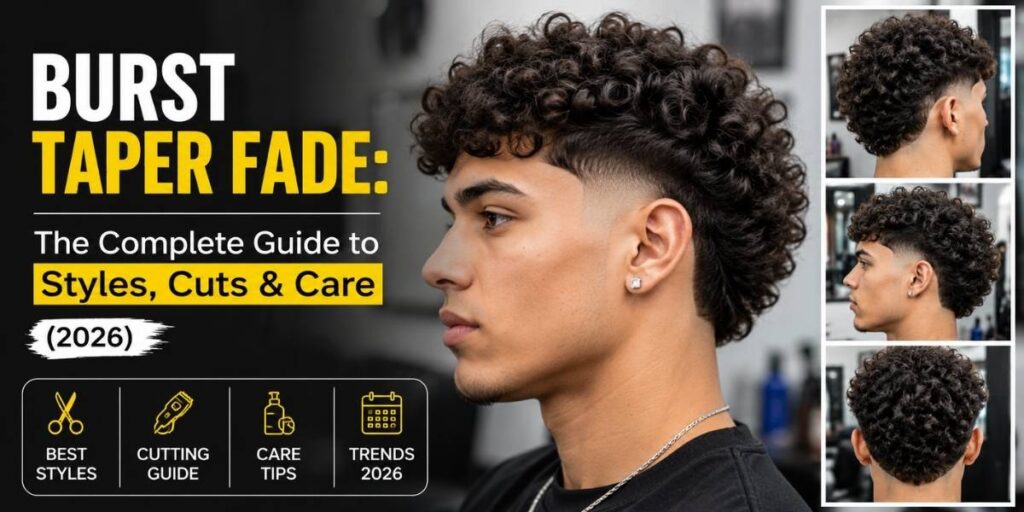
You’ve seen the haircut everywhere this year. Short sides, a curved swoop around the ear, and a top that still has room to breathe. That’s a burst taper fade, and it’s easily one of the most requested cuts at barbershops right now.
This guide answers every question you might have. What makes it different from a regular fade? Which variation suits your hair type? Can you actually cut one at home? Let’s get into it.
What Is a Burst Taper Fade?

A burst taper fade blends a taper with a semicircular fade that curves around the ear instead of running in a straight line. Picture the hair gradually increasing in length as it moves away from the ear, forming a curved fade around the ears that looks almost like a burst of light.
That’s actually where the name comes from. The burst effect creates a rounded, radiant shape instead of the flat horizontal line you’d get with a standard fade. It’s subtle, but it changes the entire look of the haircut.
What Is a Taper Burst Fade?
People often flip the words and ask about a taper burst fade, and yes, it’s the same haircut. The taper handles the gradual shortening of hair from top to bottom, while the burst adds that rounded, semicircular shape near the ears and neckline.
Some barbers use burst fade taper back to describe the way hair tapers off at the nape too. Either way, you’re looking at one cohesive style, not two separate techniques stacked together.
Why Is Burst Fade So Popular?
Versatility, honestly. A burst fade haircut works with straight hair, curly hair, afro textures, and even a beard or mullet pairing. It doesn’t demand a specific face shape or hair density to look sharp.
It’s also low maintenance compared to intricate designs, yet it still reads as a deliberate, styled cut. That balance between effort and payoff is why it keeps trending into 2026.
Burst Taper Fade Styles
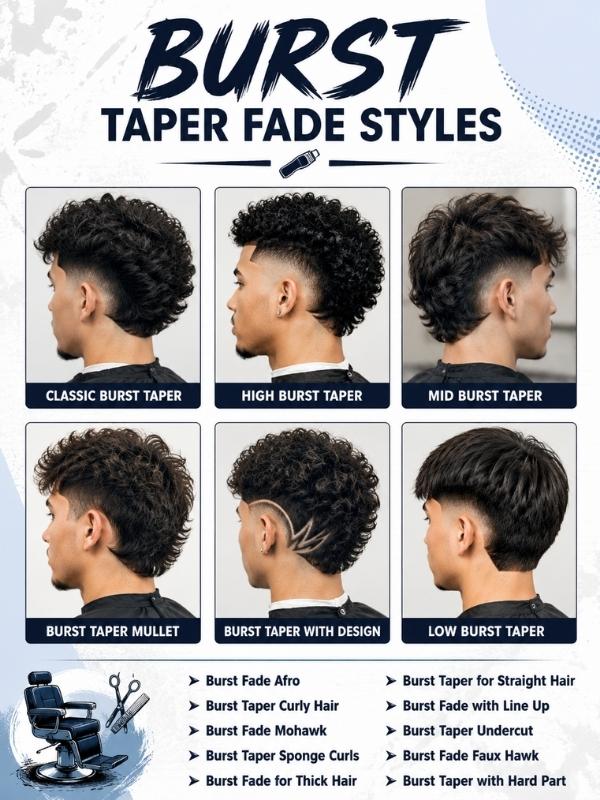
There’s no single way to wear a burst taper fade. The burst taper fade variations range by fade height, hair type, and what you pair it with. Here’s a rundown of the most requested versions right now.
Low Taper Burst Fade

A low burst taper fade keeps the fade close to the hairline, barely climbing above the ear. It’s the safest option if you want something office friendly and understated.
This version suits guys who don’t want a dramatic contrast between the top and sides. The taper fade placement stays subtle, so regrowth is less noticeable between cuts too.
Mid Taper Burst Fade
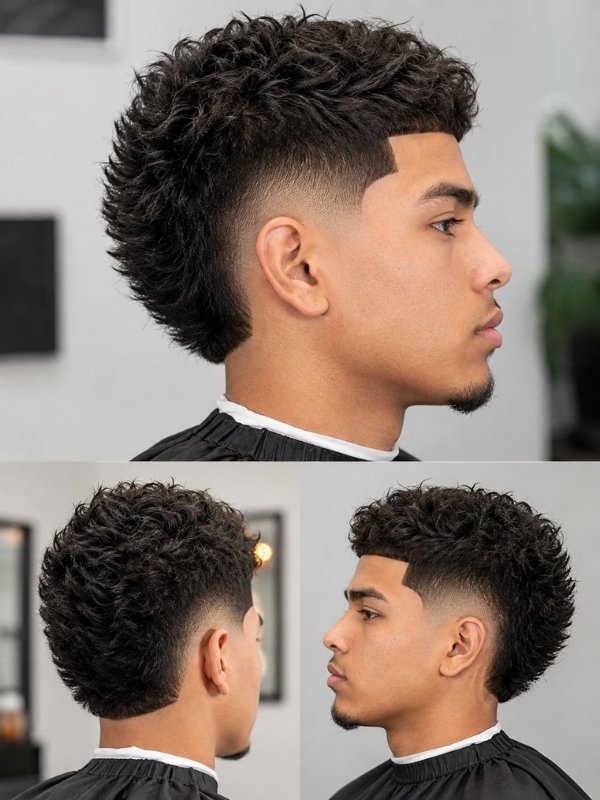
The mid burst taper fade sits right in the middle, literally. The fade starts around the temple area and blends smoothly into the top.
Most barbers recommend this as the default because it balances visibility with wearability. It photographs well and works whether your hair is thick or fine.
High Taper Burst Fade
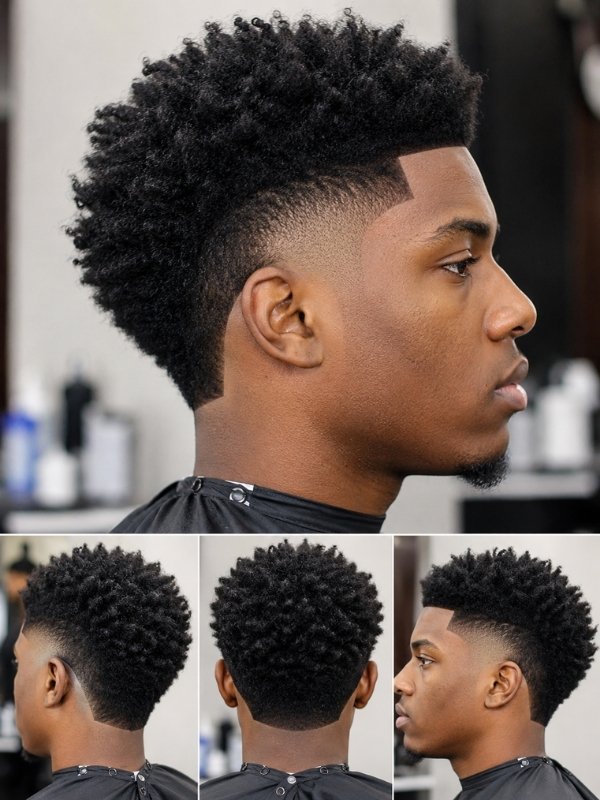
A high burst taper fade pushes the fade line higher up the scalp, creating a bolder contrast between short sides and longer hair on top. It’s the version you’ll see on guys who want their cut to make a statement.
Because the burst fade placement sits higher, this style needs more frequent touch ups to keep the lines sharp. Worth it if you like a striking look, but factor in the maintenance.
Burst Taper Fade Curly Hair
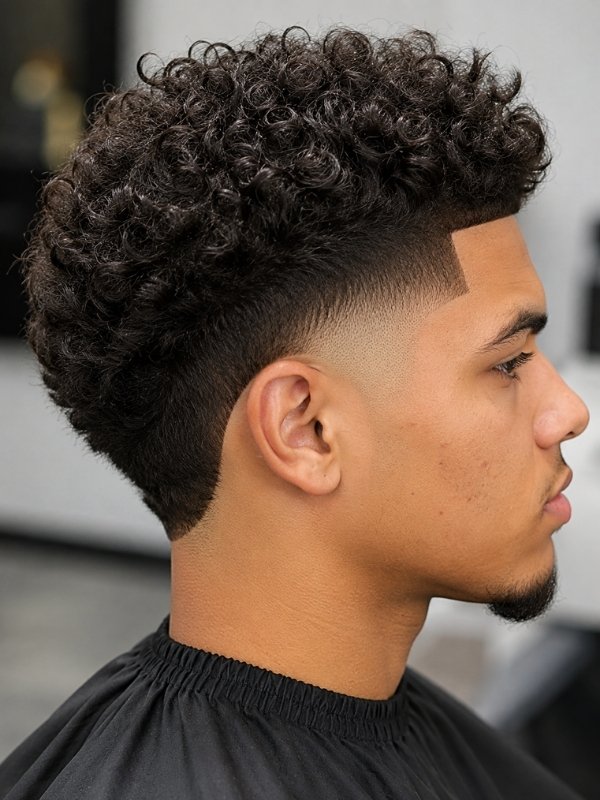
For burst taper fade curly hair, the top should stay long enough to show off natural curl pattern. Barbers usually leave extra length so the defined curls have room to bounce and form shape.
A little curl defining gel goes a long way here. It keeps curly top styles looking intentional rather than frizzy by midday.
Burst Taper Fade Straight Hair
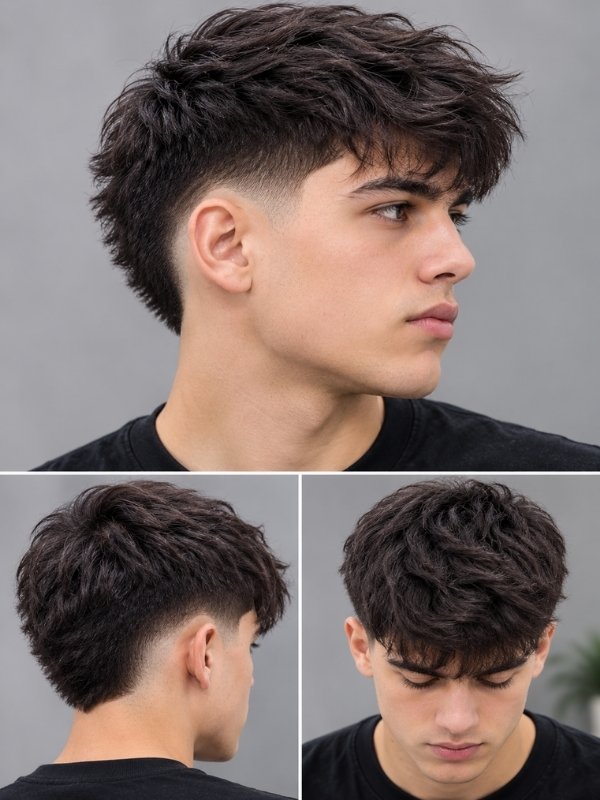
Burst taper fade straight hair tends to look cleaner and more graphic because the fade lines show up crisp against smooth strands. There’s nowhere for the burst shape to hide, so precision cutting matters even more.
Straight hair also styles faster. A dab of matte pomade and a comb through usually finishes the look in under a minute.
Burst Taper Fade Afro
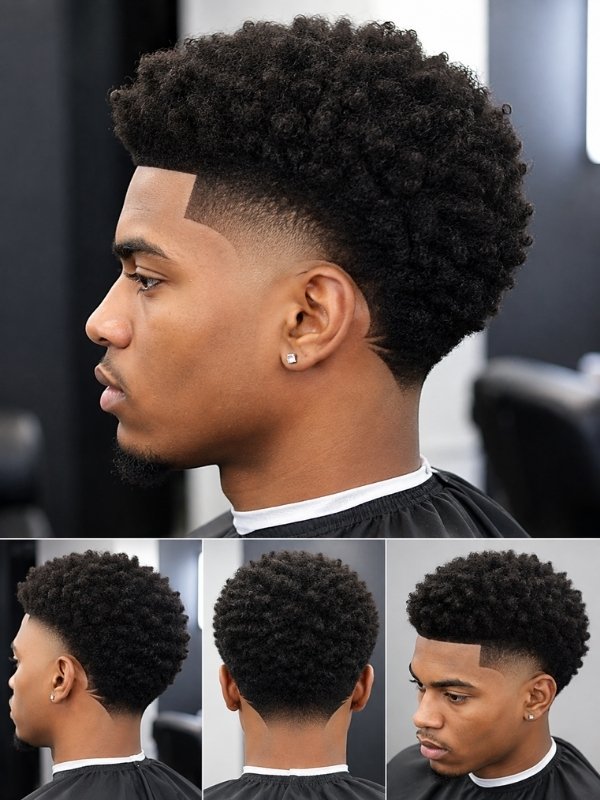
The burst taper fade afro style keeps volume on top while carving that rounded burst shape into the sides. It’s a great way to show off natural curls and afro textured hair without sacrificing the clean taper underneath.
Barbers often use clipper-over-comb technique here to avoid flattening the curl pattern near the fade line. That extra care keeps the top looking full instead of compressed.
Burst Taper Black Men
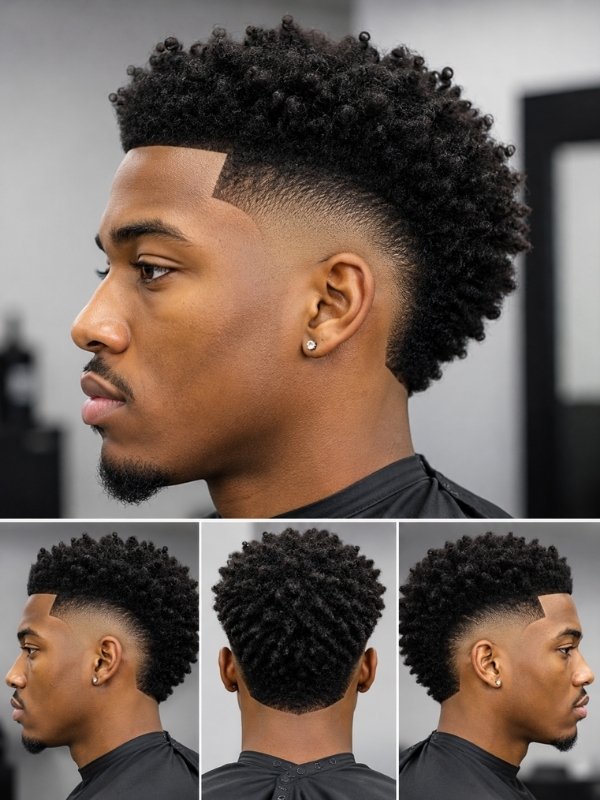
Burst taper black men are often searching for a cut that respects textured hair while still delivering sharp, clean sides. This variation leans on skilled blending techniques to avoid harsh lines between curl density and skin.
A good barber will ask about your natural hair texture before picking clipper guards, since coarser hair usually needs a different approach than finer curls.
Burst Taper Fade With Beard
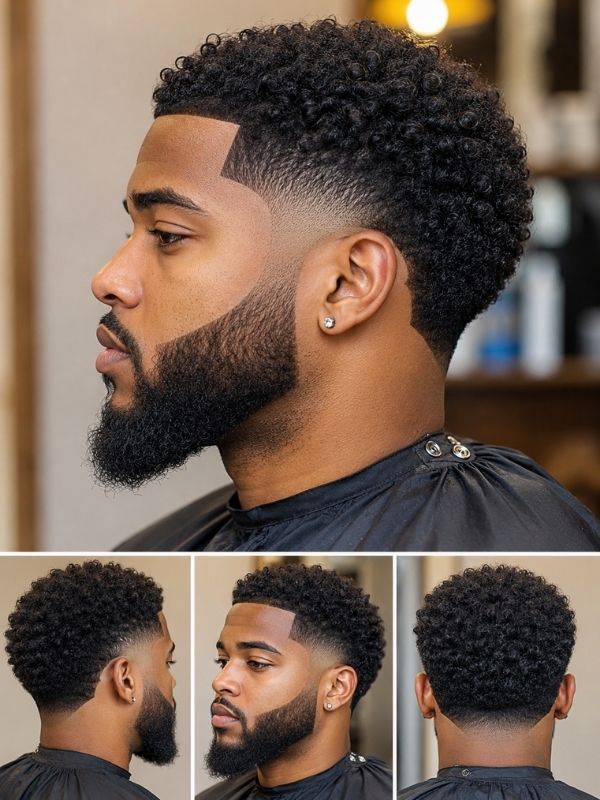
Pairing a burst fade with beard grooming creates a framed, put together look. The fade and beard line should connect near the sideburns so the whole thing reads as one shape, not two separate decisions.
Ask your barber to clean up your sideburns and jawline in the same session. It keeps proportions balanced and avoids that awkward gap some guys end up with.
Burst Taper Fade With Mullet
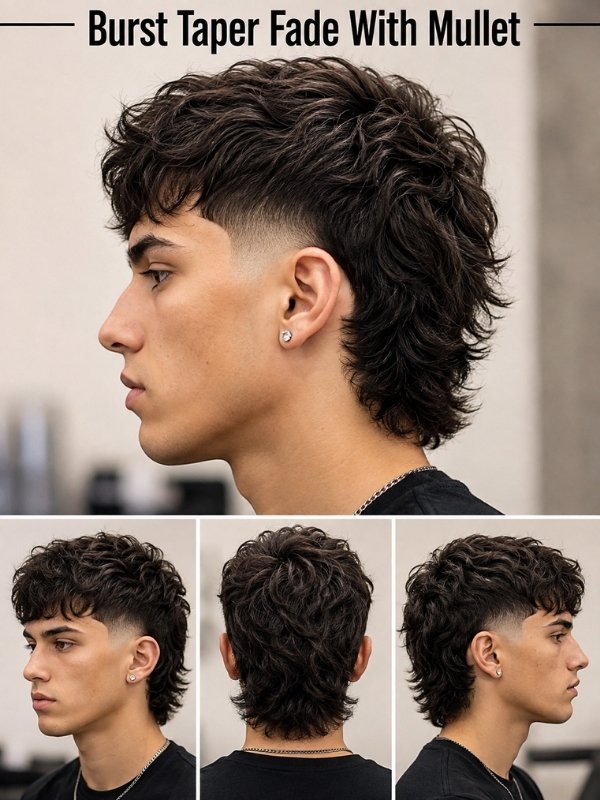
The burst taper fade mullet combo takes the modern mullet trend and grounds it with a clean fade underneath. You get short, tidy sides with longer hair left at the back for that textured mullet effect.
It’s a bolder choice, no question. But it’s also one of the more unique burst taper fade variations if you want a cut that stands out from the usual crowd.
Burst Taper Fade vs Regular Taper Fade
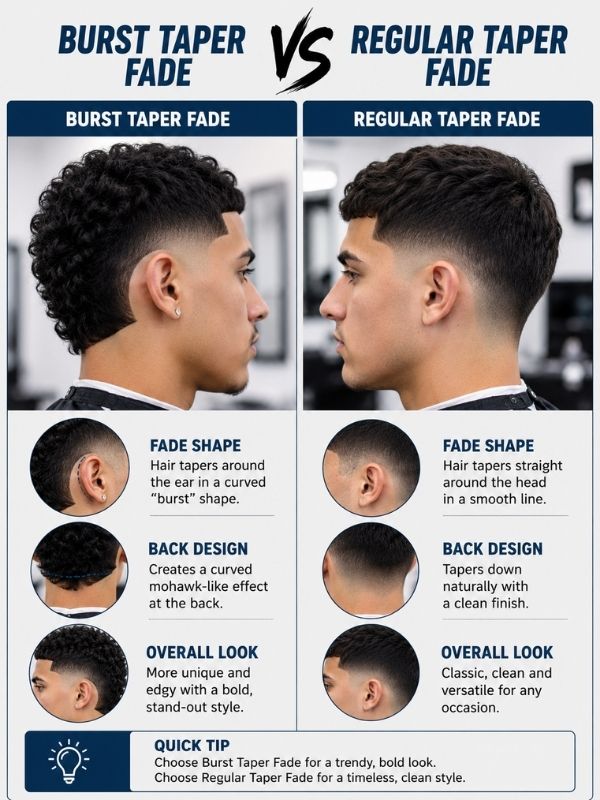
People mix these two up constantly, so let’s clear it up. A regular taper fade shortens hair gradually in a straight line down the sides and back. A burst taper fade does the same gradual shortening, but curves around the ear instead.
That curved shape is the entire difference. Everything else, the blending, the guard sizes, the top length, stays roughly the same between both cuts.
Is a Burst Fade Like a Taper?
Yes and no. Every burst fade technically includes a taper, since tapering is just the gradual shortening process. But not every taper includes a burst.
Think of the taper as the base technique and the burst as a specific shape applied on top of it. That’s the simplest way to keep the taper fade differences straight in your head.
What Are the Three Types of Tapers?
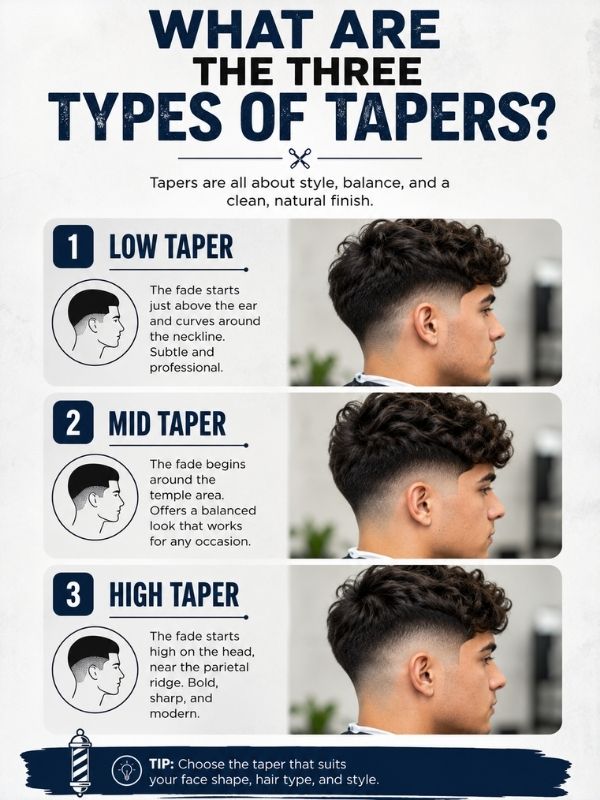
Barbers generally group tapers into low, mid, and high, based on where the fade starts on the head. These match the same categories you’ll hear for burst styles too, since the height rule applies across most fade variations.
Knowing these types of taper fades helps you communicate better in the chair. Instead of vague descriptions, you can point to exactly where you want the fade to begin.
Burst Taper Fade vs Drop Fade
A drop fade curves downward toward the back of the head, dropping lower behind the ear before leveling out. A burst taper fade, on the other hand, curves around the ear itself rather than dropping toward the nape.
Both fall under fade guidelines that call for curved lines instead of straight ones, but the direction and placement differ enough to change the whole silhouette.
Key Differences Between Burst Fade and Drop Fade
Here’s a quick breakdown so you’re not guessing at the barbershop:
- Shape: Burst curves around the ear; drop fade curves toward the back of the neck.
- Best for: Burst fade suits shorter, cropped tops; drop fade pairs well with longer, swept back styles.
- Visual effect: Burst gives a rounded, symmetrical look; drop fade creates more movement toward the back.
- Maintenance: Both need regular touch ups, but drop fades can hide regrowth slightly longer.
If you’re still unsure which one fits your face shape, whether that’s round face, square face, oval face, or diamond shaped face, a quick consultation with your barber beats guessing from a photo.
How to Cut a Burst Taper Fade
You’ve got two paths here. Trust a professional, or attempt it yourself with the right tools and patience. Both are valid, but they come with different expectations.
At Barber Shop
Walking into a barber shop burst taper appointment prepared saves everyone time. Bring a reference photo, mention your hair type, and be upfront about how much maintenance you’re willing to commit to.
A skilled barber will check your natural hair texture, growth pattern, and face shape before picking clipper guards. That prep work is exactly why professional cuts tend to look cleaner than DIY attempts.
What to Ask Your Barber for a Perfect Burst Taper Fade
Be specific instead of vague. Ask for the fade height (low, mid, or high), request clean edges around the ears, and mention if you want a circular fade shape versus a sharper burst.
It also helps to specify how you want the neckline cleanup handled and whether you’d like your sideburns connected to a beard.
Burst Taper Fade Tutorial (At Home)
Cutting your own burst taper fade is doable, but it rewards patience over speed. Rushing is the number one reason home cuts go wrong.
Set aside real time for this, ideally in good lighting with two mirrors. You’ll need to see the back and sides clearly throughout the process.
Tools Required
Gather these before you start, not halfway through:
- Quality hair trimmer with multiple guard lengths
- Fade guards in half sizes for smooth blending
- Barber scissors for top length adjustments
- Handheld mirror plus a wall mirror
- Cape or old towel to catch clippings
- Comb and a spray bottle for damp sectioning
Step-by-Step Cutting Tutorial
Start with your longest guard and work down gradually. Never jump straight to a short guard near the ear, since that skips the gradual blending the taper needs.
Section the hair around the ear first, using the guard-less clipper edge to shape the curved burst line. Then blend upward using clipper-over-comb technique, feathering the transition between lengths.
Work in small sections, checking both mirrors constantly. Trim the neckline last, keeping it soft rather than a hard, blocky line.
Mistakes to Avoid
A few things trip up almost every beginner:
- Skipping guard sizes instead of stepping down gradually
- Cutting the burst shape too high on the first attempt
- Forgetting to check the back with a second mirror
- Rushing the blending step, which leaves visible lines
Maintenance & Styling Tips
Once you’ve got clean lines, protect them. Avoid hats that rub against the fresh fade for the first day or two while the skin settles.
Style the top with a small amount of matte clay or texturizing cream, working it in while hair is slightly damp for the most natural finish.
How Often to Touch Up
Most burst taper fade maintenance schedules land around every two to three weeks. Higher fades and finer hair types tend to need touch ups sooner since regrowth shows faster.
If you’re not ready for that commitment, stick with a low burst taper fade. It stretches longer between visits without looking overgrown.
Styling Products for Curly or Textured Hair
Curly textured hair needs different products than straight hair, full stop. A rich leave-in conditioner keeps wavy hair and coils hydrated, which prevents that dry, frizzy look by afternoon.
Follow up with a curl cream or curl defining gel to lock in shape without weighing curls down. Apply both to damp hair for the best results, then let it air dry or diffuse on low heat.
For a matte, natural finish, skip heavy pomades and reach for something lighter. Moisturizing curly hair properly actually reduces how often you need product in the first place.
Quick Maintenance Tricks for a Fresh Look
Between barbershop visits, a few small habits keep your cut looking sharp. Line up your sideburns with a trimmer every few days to maintain sharp lines without a full haircut.
Rinse and condition regularly, especially if you’re using matte pomade or clay daily, since product buildup dulls both shine and texture over time. A clarifying shampoo once a week clears that right up.
Lastly, snap a photo of your fresh cut. It’s the easiest way to show your barber exactly what “maintaining a fresh fade” means to you at your next appointment.
Choosing the Right Burst Taper Fade for Your Face Shape
Your face shape genuinely changes how a fade reads. A round face usually looks sharper with a high burst taper fade, since the added height creates visual length.
A square face can handle almost any variation, though a mid burst taper fade tends to soften strong jawlines nicely. Oval face shapes are the most flexible of the bunch, working well with low, mid, or high options.
If you’ve got a diamond shaped face, keep volume on top and avoid overly tight sides, since that combination balances a narrower chin and wider cheekbones.
Frequently Asked Questions
Does a burst taper fade suit thin hair? Yes, though a low burst taper fade usually works better than a high one. Thin hair shows scalp faster near tight fade lines, so keeping the fade lower hides regrowth longer between cuts.
Can you add a burst fade to long hair on top? Absolutely. Longer top length actually makes the burst effect stand out more, since there’s a bigger contrast between the short curved sides and the flowing hair above them.
Is a burst taper fade good for job interviews? A low burst taper fade or mid burst taper fade reads as neat and professional. Save the high burst taper fade for more casual settings if your workplace leans conservative.
How long does a burst taper fade take at the barbershop? Most sessions run thirty to forty five minutes, sometimes longer if you’re pairing it with a burst fade with beard trim or detailed neckline cleanup.
Will a burst fade work with a receding hairline? It often helps, actually. The curved shape near the ear can soften the hairline’s appearance, especially when a barber adjusts the taper fade placement to work around it.
Conclusion
A burst taper fade isn’t just a trend that’ll fade out by next season. It’s a genuinely flexible cut that adapts to your hair type, your face shape, and how much upkeep you actually want to deal with.
Whether you go low and subtle or high and bold, pair it with a beard or a mullet, the core technique stays the same. Find a barber who understands blending techniques, communicate clearly about what you want, and you’ll walk out with a cut that works.
